
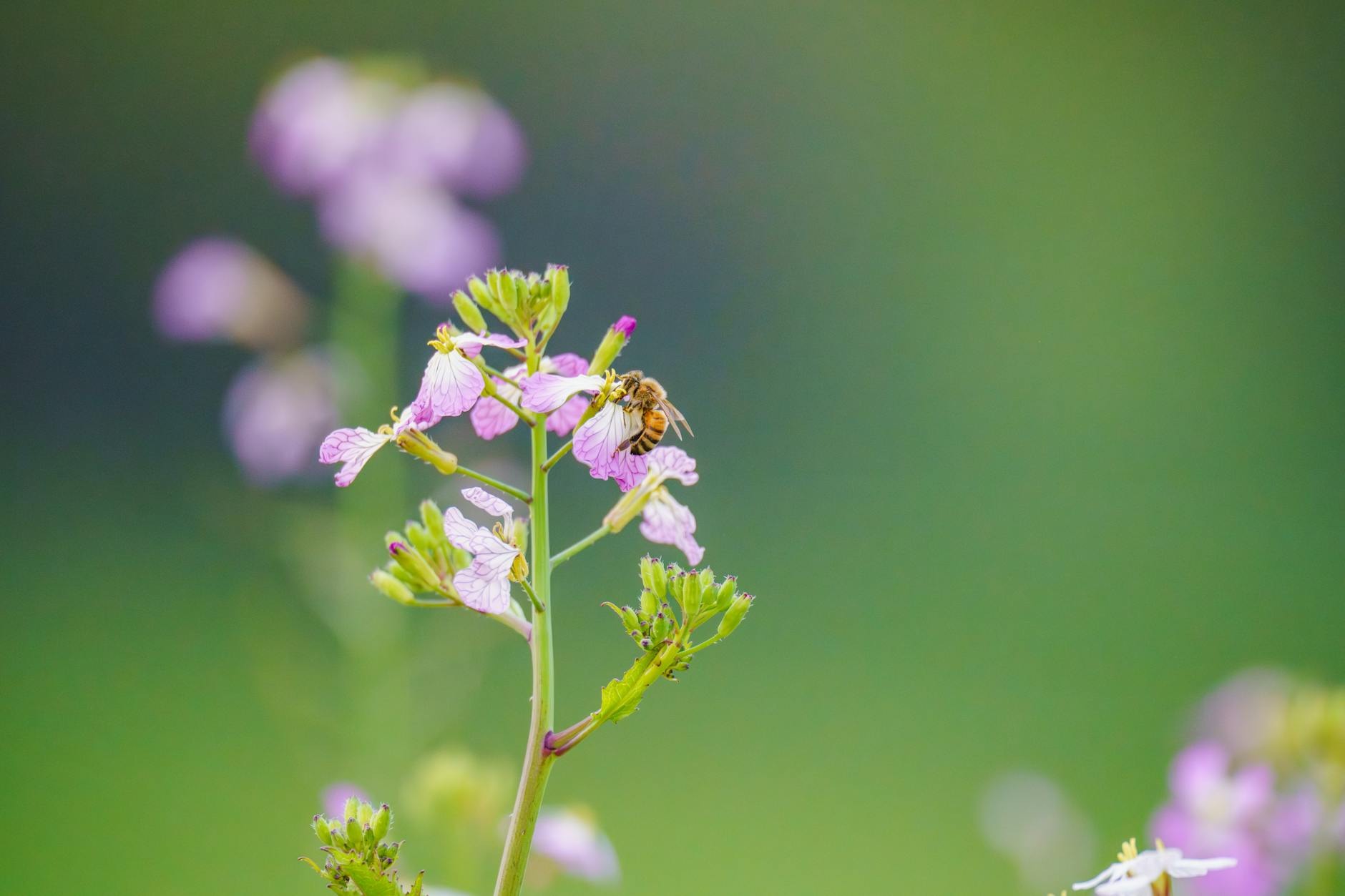
“A worker bee's lifespan can vary between 4-5 months during winter and just 6 weeks during summer, showcasing the intense demands of colony life.”
A worker bee's life may span just six weeks, yet within that brief period, it undertakes critical roles for the sustainability of the colony. The lifecycle of bees is one of nature’s most captivating narratives. From the moment a worker bee emerges, it assumes various roles, responding to the colony’s evolving needs. The extended lifespans during winter and the fleeting nature of summer life highlight the efficiency of these communities.
Role Transition In its early weeks, a worker bee supports the internal functions of the colony. During this time, it cares for the young and maintains the hive's order. Tasks like nurturing larvae and ensuring hive hygiene take precedence, but as time passes, these bees shift to the role of foragers. This transition is part of a self-renewing system that characterizes the bee's lifecycle. The distribution of tasks among worker bees is crucial for the healthy functioning of the colony.
Winter and Summer Life In winter months, worker bees can live for about 4-5 months. During this time, they remain relatively inactive and conserve energy. However, as summer temperatures rise and flowers bloom, their lifespan shortens. Within just six weeks, these bees engage in intensive pollination, seeking out new food sources while trying to meet the needs of the hive. This transformation emphasizes how effectively bees perform their tasks.
Impact on Ecosystems The lifecycle and role distribution of bees are critical not just for the health of the hive but also for a broader ecosystem. Actively participating in pollination processes, these creatures enhance plant diversity and contribute to agricultural productivity. The dynamic lives of bees maintain a vital balance for both their communities and the environments they inhabit. Protecting this balance is essential for the future of humanity.